A personal loan can help you pay for a large expense, consolidate debt, cover an emergency, or handle an unexpected bill. Unlike a mortgage or auto loan, a personal loan is often unsecured, meaning you don’t have to use your home or car as collateral.
Before applying, it’s important to understand personal loan rates, requirements, fees, repayment terms, and alternatives.
What Is a Personal Loan?
A personal loan is an installment loan. You borrow a specific amount and repay it through regular monthly payments over an agreed period.
For example, you might borrow $10,000 and repay it over three or five years.
Personal loans are available from:
- Banks
- Credit unions
- Online lenders
- Other financial institutions
The interest rate and loan terms depend on your credit history, income, debt, loan amount, and the lender’s requirements.
How Do Personal Loans Work?
The process is usually simple:
- Apply for a personal loan.
- The lender reviews your credit and financial information.
- If approved, you receive a loan offer.
- You accept the terms.
- The money is deposited into your bank account.
- You make monthly payments until the loan is paid off.
Some lenders allow you to check your potential rate before submitting a full application.
Personal Loan Rates and APR
Personal loan interest rates vary from one lender and borrower to another.
Your credit score, income, existing debt, loan amount, and repayment term can all affect the rate you’re offered.
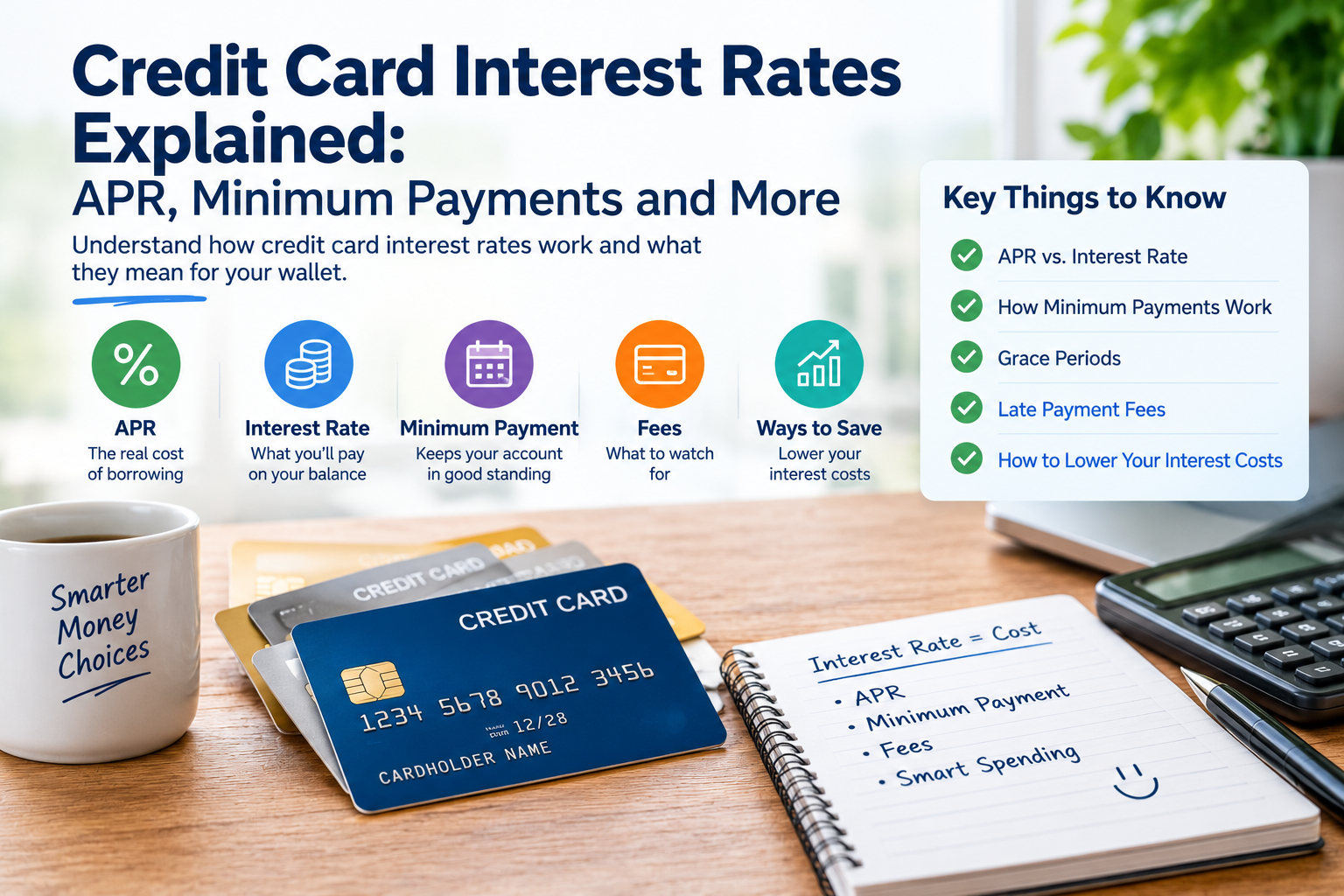
When comparing loans, don’t look only at the interest rate. Look at the APR (annual percentage rate) too.
APR can include the interest rate plus certain loan fees, making it useful when comparing the overall cost of different offers. Consumer Financial Protection Bureau: Interest Rate vs. APR
Personal Loan Requirements
Personal loan requirements vary by lender, but you may need:
- A valid form of identification
- Proof of income
- Employment information
- Bank account information
- Credit history
- Information about your existing debts
There isn’t one universal credit score requirement for personal loans. Some lenders work with borrowers who have fair or bad credit, although those borrowers may receive higher rates.
Personal Loans for Bad Credit
Getting a personal loan with bad credit may be possible, but it can be more expensive.
You may receive:
- Higher interest rates
- Lower loan amounts
- Higher fees
- Shorter repayment terms
Before accepting a bad-credit loan, compare the APR and total repayment amount.
Be careful with lenders promising guaranteed personal loans. The FTC warns consumers about advance-fee loan scams where someone asks for money before providing a promised loan. FTC: What to Know About Advance-Fee Loans
Personal Loan Fees
A personal loan may include fees in addition to interest.
Common fees include:
- Origination fee: A charge for processing the loan.
- Late payment fee: Charged when you miss a required payment.
- Prepayment fee: A possible charge for paying the loan off early.
Always read the loan agreement and check the total cost before accepting an offer. CFPB: Personal Installment Loan Fees
How Much Can You Borrow?
The amount you can borrow depends on the lender and your financial profile.
Your:
- Credit history
- Income
- Debt-to-income ratio
- Requested loan amount
- Loan term
can affect how much you’re approved for.
Don’t automatically borrow the maximum amount offered. Borrow only what you actually need and can comfortably repay.
Personal Loan vs. Credit Card
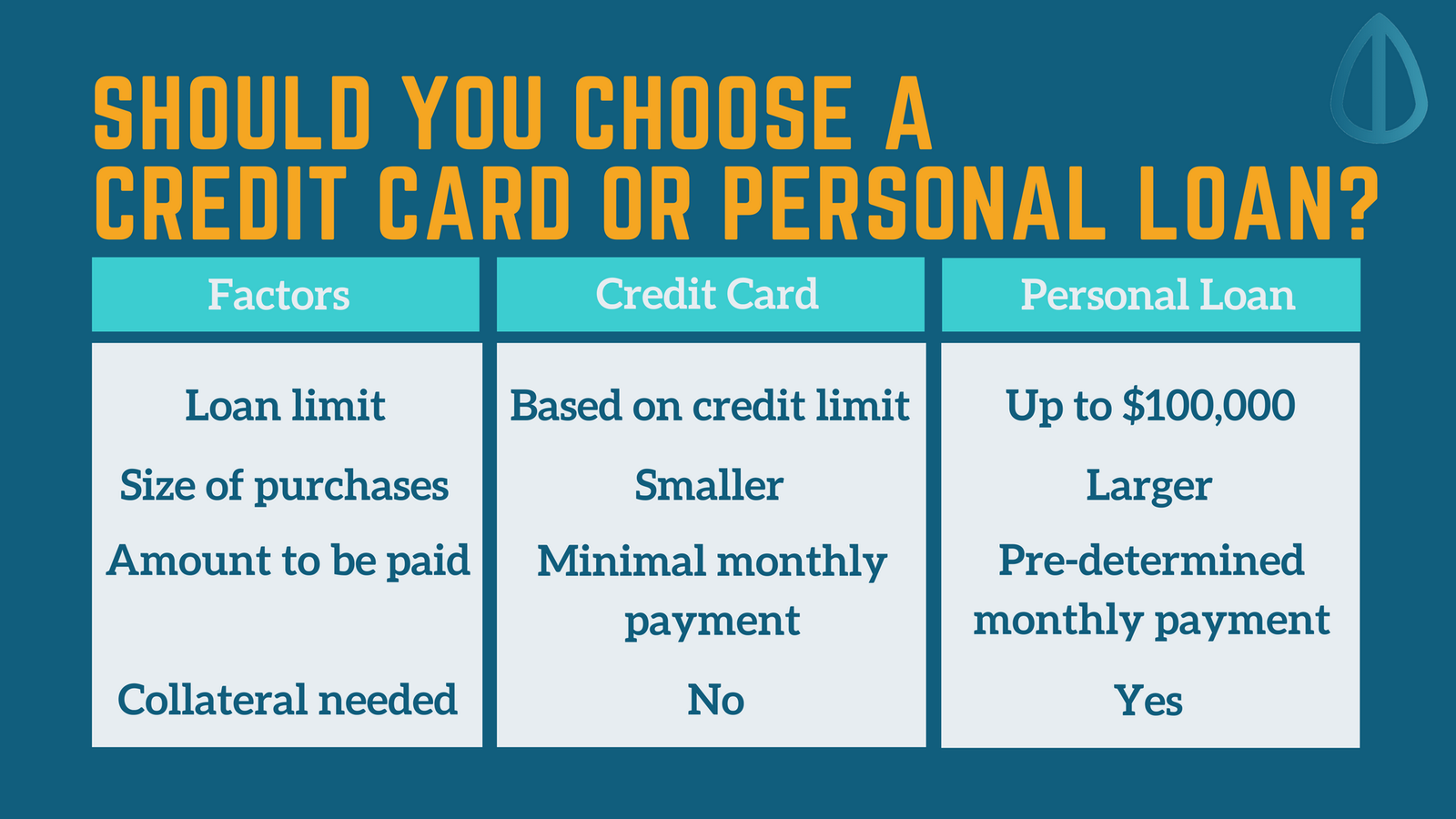
A personal loan gives you a fixed amount of money that you normally repay through scheduled installments.
A credit card provides revolving credit that you can continue using as you repay the balance.
A personal loan may be useful when you need a specific amount and want a fixed repayment schedule. A credit card may provide more flexibility for smaller or ongoing purchases.
Compare the APR, fees, monthly payment, and total cost before choosing either option.
Personal Loan Alternatives
A personal loan isn’t always the best way to cover an expense. Depending on your situation, alternatives may include:
Credit Union Loan
Credit unions may offer personal loans with different rates and terms from traditional banks.
Credit Card
A credit card may be an option for smaller purchases, particularly if you can repay the balance quickly.
Home Equity Loan
Homeowners may be able to borrow against their home equity. However, the home serves as collateral, so the risks are different from an unsecured personal loan.
Payment Plan
For some medical bills, large purchases, or other expenses, the provider may offer a payment plan.
Savings
If you have enough emergency savings, using some savings instead of borrowing can eliminate interest costs. However, avoid leaving yourself without an emergency cushion.
How to Compare Personal Loans
Before choosing a personal loan, compare:
- APR
- Interest rate
- Monthly payment
- Loan term
- Origination fees
- Late fees
- Total repayment amount
- Funding time
- Prepayment terms
The lowest monthly payment isn’t necessarily the cheapest loan. A longer repayment period can reduce your monthly payment but increase the total interest you pay.
Frequently Asked Questions
Are personal loans hard to get?
Approval depends on the lender and your financial situation. Credit history, income, debt, and other factors can affect your eligibility.
Can I get a personal loan with bad credit?
Yes, some lenders offer personal loans for bad credit. However, rates and fees may be higher.
What credit score do I need for a personal loan?
There is no universal minimum credit score. Each lender has its own requirements.
How quickly can I get a personal loan?
Funding times vary. Some online lenders can provide funds relatively quickly after approval, while other lenders may take longer.
Can I use a personal loan to pay off credit cards?
Some lenders allow personal loans to be used for debt consolidation and credit card repayment. Check the lender’s rules before applying.
Is a personal loan better than a credit card?
Neither is automatically better. Compare the APR, fees, repayment terms, and total cost based on your situation.
Final Thoughts
Personal loans can be useful when you need a specific amount of money and have a realistic plan for repayment.
Before applying, compare several lenders and look beyond the advertised interest rate. Check the APR, fees, monthly payment, loan term, and total repayment cost.
If you have bad credit, be especially careful about high-cost loans and lenders promising guaranteed approval.
The goal isn’t simply to find a lender willing to give you money. It’s to understand the cost of borrowing and choose an option that fits your budget.